



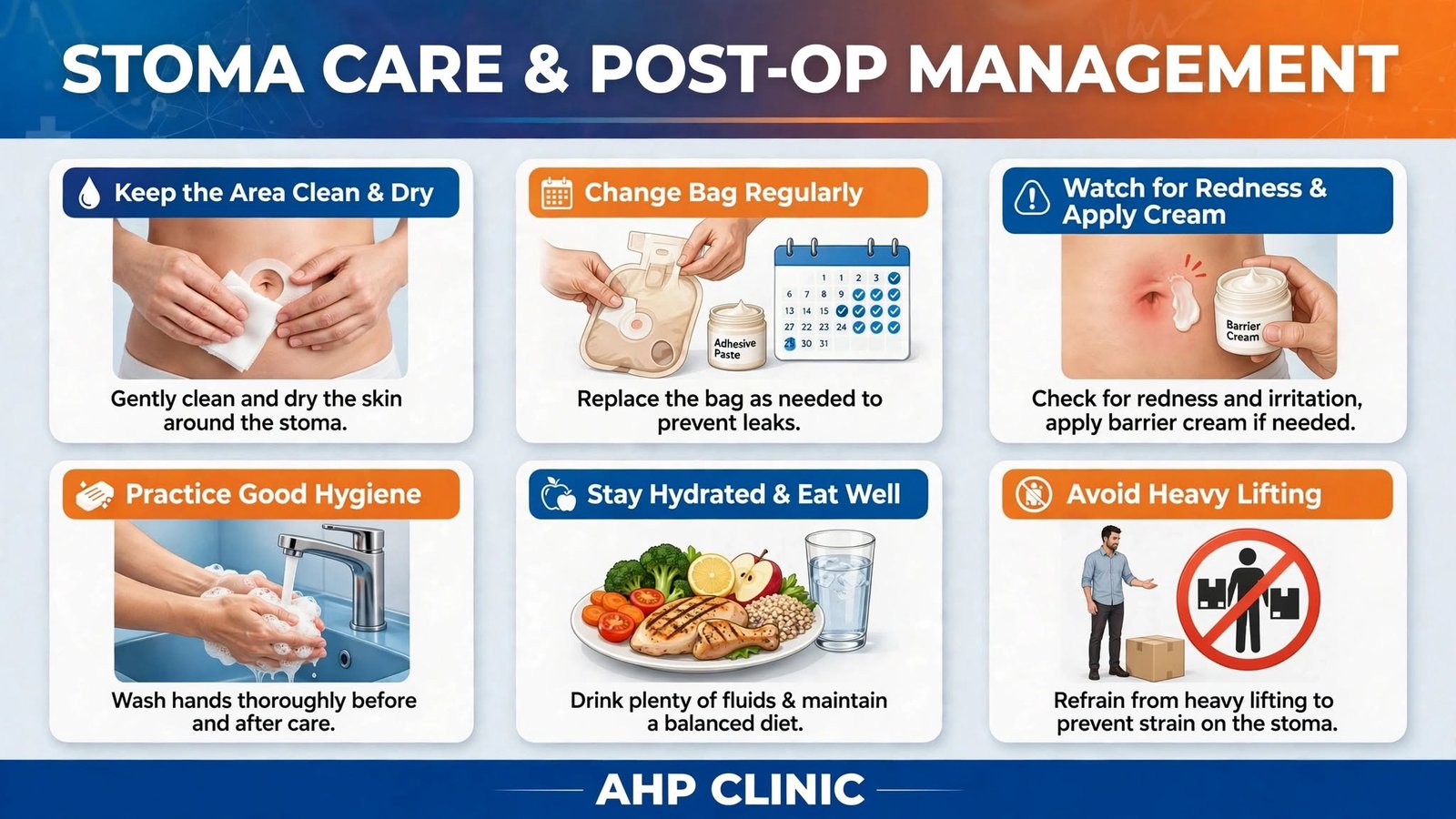
Living with an ileostomy can require some adjustment, especially when it comes to learning how and when to change an ileostomy bag. With the right routine, however, changing the pouch can become a manageable part of everyday stoma care.
An ileostomy is a surgically created opening, called a stoma, that brings the end of the small intestine through the abdominal wall. Because stool leaves the body through the stoma rather than through the rectum, an external pouching system is used to collect the output.
Understanding proper ileostomy bag changes can help protect the skin around the stoma, maintain a secure seal, reduce leakage, and make daily activities more comfortable. Individual care needs can vary, so instructions from a surgeon or stoma care nurse should always take priority.
What Is an Ileostomy Bag?
An ileostomy bag, also called an ileostomy pouch, is a collection system worn over the stoma. It is designed to safely collect digestive waste after it leaves the small intestine.
Depending on the person’s needs, an ileostomy system may consist of a one-piece pouch or a two-piece system with a separate skin barrier and pouch. Many systems are drainable, allowing the pouch to be emptied without completely removing it.
The skin barrier is particularly important because it protects the skin surrounding the stoma from contact with intestinal output. A properly fitted barrier can also help create a secure seal and reduce the risk of leakage.
When Should an Ileostomy Bag Be Changed?
There is no single schedule that works for everyone. The frequency of ileostomy bag changes depends on the type of pouching system, skin condition, stoma shape, amount of output, activity level, and individual recommendations from a healthcare professional.
Some people change their entire pouching system every few days, while others may follow a different schedule. The important point is to avoid waiting until the appliance is leaking or the surrounding skin becomes irritated.
The pouch itself may often be emptied several times throughout the day, depending on how quickly it fills. A commonly used practical guideline is to empty the pouch when it becomes roughly one-third to one-half full, because excessive filling can place additional weight on the appliance and contribute to leakage.
Preparing for an Ileostomy Bag Change
Preparation can make the process easier and reduce unnecessary interruptions. Before removing the old pouch, gather the supplies recommended for your particular appliance system.
These may include a new pouch or skin barrier, a disposal bag, soft gauze or wipes, warm water, and any skin-protection products recommended by your stoma care team. Some people may also use accessories such as barrier rings or strips when these are appropriate for their individual stoma.
Choose a clean, comfortable location where you can take your time. Having all necessary supplies within reach can make the change more organized and help prevent problems caused by rushing.
How to Change an Ileostomy Bag
Start by gently removing the old pouching system. Avoid pulling the appliance away from the skin quickly, as this can cause unnecessary irritation or damage to the surrounding skin.
A medical adhesive remover may be appropriate for some people, but it should only be used according to the product instructions and recommendations from a healthcare professional. Supporting the skin while slowly releasing the adhesive can help reduce mechanical stress.
Once the appliance has been removed, inspect the stoma and the surrounding skin. The area should be cleaned gently using the method recommended by your healthcare team.
Warm water is often sufficient for cleaning, although individual instructions can vary. Avoid using products such as harsh soaps, oils, lotions, or alcohol-based products around the stoma unless your healthcare professional has specifically recommended them, because they may interfere with the adhesive or irritate the skin.
Measuring the Stoma
Stoma size and shape can change, particularly during the period after surgery. Measuring the stoma periodically can help ensure that the opening in the skin barrier remains appropriately sized.
The opening should generally fit closely around the stoma without pressing tightly against it. If the opening is too large, intestinal output can reach the surrounding skin and contribute to irritation.
If the opening is too small or positioned incorrectly, it may rub against the stoma and cause discomfort or injury. A stoma care nurse can help determine the appropriate fit and show you how to measure the stoma correctly.
Applying the New Skin Barrier and Pouch
Before applying the new system, make sure the skin around the stoma is clean and completely dry. Moisture can interfere with adhesion and may increase the risk of the appliance coming loose.
If your healthcare team has recommended a barrier ring, paste, powder, or another accessory, use it according to the instructions provided. These products are not necessary for everyone, and using too much of an accessory can sometimes interfere with the seal.
Carefully position the opening over the stoma and press the skin barrier gently against the surrounding skin. Hold it in place for a short period and use gentle pressure to encourage good adhesion.
If you use a two-piece system, attach the pouch to the skin barrier according to the manufacturer’s instructions. Check the connection carefully before resuming normal activities.
Caring for the Skin Around the Stoma
Healthy skin around the stoma is an important part of successful ileostomy care. The skin should generally look similar to the surrounding abdominal skin, although minor differences can occur.
Redness, burning, itching, soreness, broken skin, or persistent moisture may indicate irritation. One common cause is leakage of ileostomy output underneath the skin barrier.
If irritation repeatedly occurs, the fit of the appliance may need to be reassessed. A stoma care nurse can help identify whether the problem is related to leakage, adhesive sensitivity, stoma shape, skin products, or another issue.
Preventing Ileostomy Bag Leaks
Leakage can be frustrating, but it is often possible to reduce the risk by identifying the underlying cause. An appliance that does not fit the stoma correctly may allow output to reach the surrounding skin.
Changes in body shape, weight, abdominal contours, or stoma size can also affect the fit of an established pouching system. Checking the appliance regularly and replacing it before the seal begins to fail can help maintain protection.
It is also important not to rely on excessive tightening or pressure around the stoma. A properly fitted system should provide a secure seal without causing discomfort.
Emptying an Ileostomy Bag
Drainable ileostomy pouches are designed to be emptied without removing the entire appliance. Emptying the pouch regularly can help prevent excessive weight from pulling on the skin barrier.
Before emptying the pouch, position yourself comfortably and follow the cleaning and disposal practices recommended by your healthcare team. Afterward, clean the outlet according to the manufacturer’s instructions before closing it securely.
Because ileostomy output can be relatively liquid, maintaining adequate hydration is especially important. Your healthcare professional may also provide individualized guidance about fluids, electrolytes, and diet based on your output and medical needs.
Diet and Ileostomy Output
Diet can influence the consistency, volume, and frequency of ileostomy output. After surgery, healthcare professionals often provide individualized dietary guidance as the digestive system adjusts.
Some foods may affect output differently from others, and certain foods can contribute to gas or blockage in some individuals. Rather than following a universal list of restricted foods, it is generally more useful to discuss dietary changes with a doctor or registered dietitian who understands your medical history.
Chewing food thoroughly and introducing new foods gradually may also help you understand how your digestive system responds. If a particular food repeatedly causes problems, discuss it with your healthcare team.
Signs That an Ileostomy Needs Medical Attention
Knowing what is normal for your own stoma can help you recognize changes that require attention. A healthy stoma is commonly moist and pink to red in appearance.
Seek medical advice if the stoma develops a significant or persistent change in color, becomes unusually swollen, bleeds excessively, or appears injured. Sudden changes in stoma function should also be discussed with a healthcare professional.
Persistent skin breakdown, repeated leakage, severe abdominal pain, vomiting, or a significant reduction or complete absence of ileostomy output can require prompt medical assessment. These symptoms can sometimes indicate complications that should not be managed solely by changing the pouch.
How Often Should You See a Stoma Care Nurse?
A stoma care nurse, also called an ostomy or wound, ostomy, and continence nurse in some healthcare systems, can provide practical support before and after ileostomy surgery. Follow-up can be particularly useful when you are learning to manage the appliance independently.
Professional support may be helpful if you experience frequent leaks, recurring skin irritation, changes in stoma size or shape, difficulty finding an appropriate appliance, or uncertainty about your changing technique.
Even people who have lived with an ileostomy for years may benefit from professional advice when their body shape, health, appliance system, or lifestyle changes.
Living Confidently With an Ileostomy
Learning to change an ileostomy bag is a skill that usually becomes easier with practice. Establishing a consistent routine can make pouch changes more predictable and reduce anxiety about leaks or skin problems.
Many people with ileostomies continue working, traveling, exercising, and participating in social activities. Planning ahead by carrying spare supplies and understanding how your appliance works can provide additional peace of mind.
The goal of stoma care is not simply to replace a pouch. It is to maintain healthy skin, protect the stoma, manage output effectively, and help you live as normally and comfortably as possible.
Final Thoughts
Ileostomy bag changes are an important part of ongoing stoma care, but the process does not have to remain difficult or stressful. Careful removal, gentle cleaning, accurate fitting, and regular inspection of the skin can help create a reliable daily routine.
Because every ileostomy is different, the advice of your surgeon, stoma care nurse, or other qualified healthcare professional should guide your individual care plan. If you notice significant changes in your stoma, persistent skin problems, severe symptoms, or unusual changes in output, contact your healthcare team for appropriate medical advice.
