



Bilieter is an uncommon term that appears in online discussions about tickets, event admission, ticket checking, and digital ticketing. People searching for this word may be trying to understand its meaning, its possible connection with ticket-related jobs, or its use in the modern event industry.
Although the term is associated with ticketing in several online sources, it does not have one universally established definition in standard English. Understanding its meaning requires looking at the context in which it appears, including whether it refers to a ticket attendant, an online publication, or a broader discussion of digital ticket management.
What Is Bilieter?
Bilieter is a term commonly associated online with ticket handling and event entry. Depending on the context, it may refer to activities such as checking admission tickets, helping visitors enter a venue, or discussing the systems used to organize tickets and attendance.
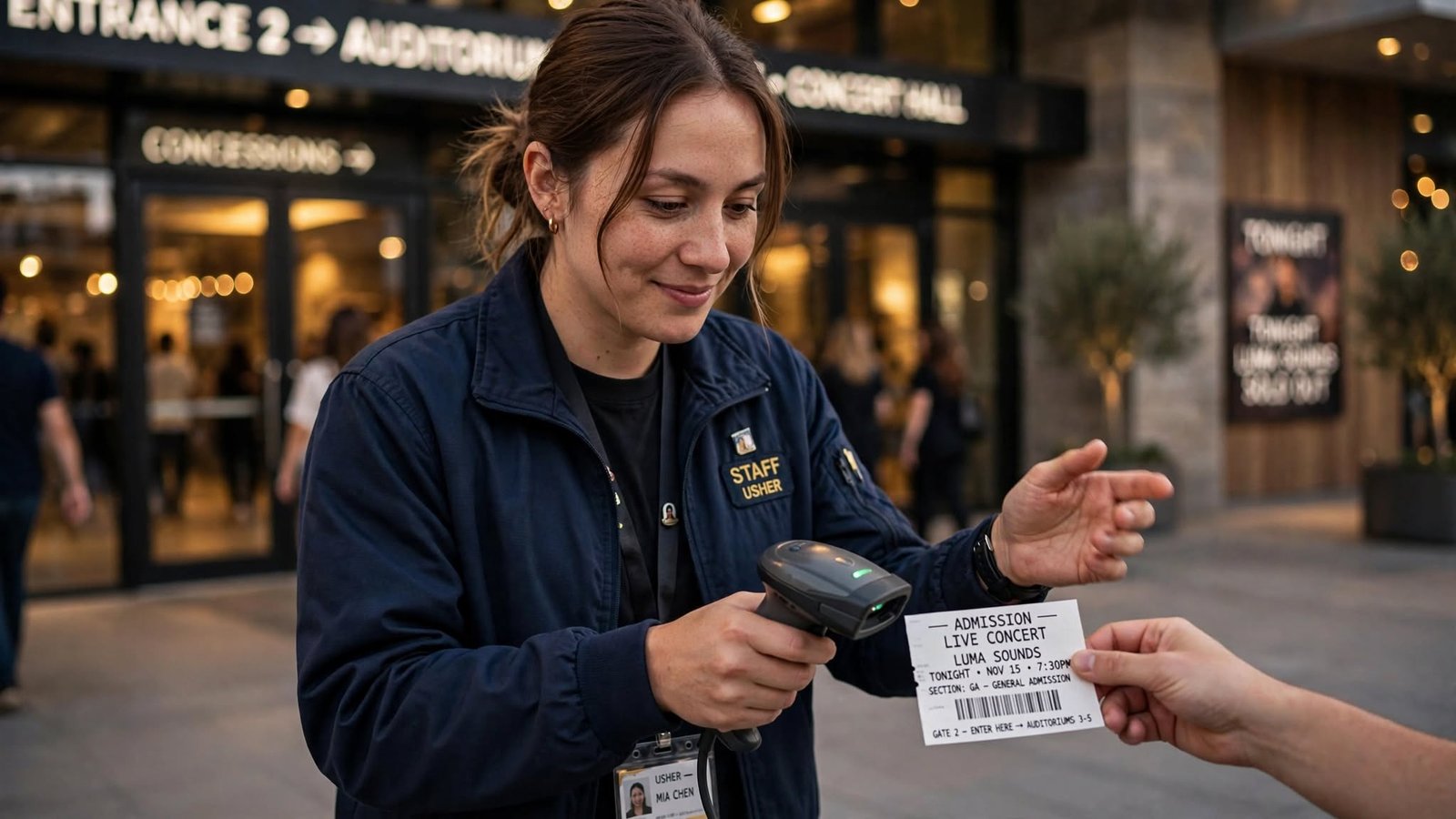
For example, when visitors arrive at a concert, cinema, theatre, or sports stadium, someone may need to verify their tickets and direct them toward the correct entrance. In English, this person is usually called a ticket attendant, ticket checker, or usher.
It is important to distinguish between the word itself and the activities associated with it. Bilieter should not automatically be treated as the official name of a particular job or software product without reliable evidence.
The Meaning and Possible Origin of Bilieter
The spelling of Bilieter resembles ticket-related words found in other languages. One relevant comparison is the Polish word bileter, which refers to a person who checks tickets or helps manage admission to a venue.
This linguistic similarity may explain why Bilieter is frequently associated with ticket checking and event entry. However, a similar spelling does not establish the exact origin of the word, and Bilieter itself is not a widely standardized English term.
Another related word is billet, which has several meanings depending on the language and context. In English, it can refer to accommodation assigned to military personnel, while the French word billet can mean a ticket or note.
These distinctions matter because unfamiliar words can have different meanings across languages. Readers should examine the surrounding text before deciding what Bilieter means in a particular situation.
The Role of Ticket Checking in Event Management
Ticket checking is an important part of organizing events because it helps ensure that only people with valid admission credentials enter restricted areas. This process also supports crowd management and helps staff direct visitors efficiently.
At a busy venue, ticket attendants may check the event date, admission category, seating information, and other relevant details. They may also answer visitors’ questions, explain entrance procedures, and help resolve basic ticket-related problems.
The exact responsibilities depend on the organization and the type of event. A small community gathering may use a simple guest list, while a large concert or sports event may require several entry gates, scanning devices, trained staff, and coordinated security procedures.
Common Responsibilities of a Ticket Attendant
A ticket attendant helps manage the entry process by checking tickets and guiding visitors. Their work often begins before an event opens, when staff prepare entrance points, review instructions, and become familiar with the ticket categories used for that event.
During admission, attendants may inspect printed tickets, scan digital codes, confirm reservations, and direct visitors to the appropriate seating areas. They may also help people who have misplaced their tickets or cannot access their digital passes, following the venue’s established verification procedures.
Clear communication is another important responsibility. Visitors may need information about entrances, seating sections, accessibility arrangements, event schedules, or admission conditions. Friendly and accurate assistance can reduce confusion and contribute to a more organized visitor experience.
What Are Digital Tickets?
Digital tickets are electronic records that provide evidence of a booking or admission entitlement. Instead of carrying a printed ticket, a customer can often receive a ticket by email, download it from a website, or store it in a supported mobile application.
A digital ticket may contain the event name, date, time, booking reference, seat number, ticket category, and a barcode or QR code. The exact information depends on the ticket provider and the requirements of the event.
Digital tickets are widely used for concerts, conferences, cinemas, sporting events, exhibitions, and transportation services. Their main advantage is convenience, as customers can often purchase, receive, and display tickets without handling physical paper.
However, a digital ticket still needs to be valid under the provider’s rules. A screenshot or copied code does not necessarily guarantee admission, particularly when tickets are personalized, transferable only through an official process, or subject to additional security checks.
How Does Digital Ticket Checking Work?
Digital ticket checking usually begins when a visitor presents a ticket on a smartphone or another supported device. An attendant or scanning system reads the barcode, QR code, or other ticket identifier to begin the verification process.
The ticketing system can check whether the credential is valid for the relevant event and whether it has already been used. Depending on the system, it may also verify the date, ticket category, or permitted entrance before confirming admission.
Once a valid ticket is accepted, the system may record the check-in to help prevent the same ticket from being used again. If the ticket cannot be verified, staff may need to review the booking information or refer the visitor to a support desk.
The reliability of this process depends on the ticketing system, the accuracy of its records, and the procedures followed by event staff. Good preparation and clear instructions are therefore essential for smooth entry.
The Difference Between Printed and Digital Tickets
Printed tickets provide a physical document that visitors can present at an entrance. They can be useful for people who prefer paper records or do not have reliable access to a smartphone, although they may be lost, damaged, or copied.
Digital tickets offer a different approach by storing admission information electronically. They can be delivered quickly, updated through supported services, and checked using compatible scanning equipment.
Neither format is automatically perfect for every situation. Printed tickets require appropriate handling and verification, while digital tickets may depend on a charged device, readable display, compatible technology, and access to a valid ticket record.
Event organizers should choose a system that suits their audience, venue, security requirements, and budget. Providing clear instructions and an appropriate backup process can help reduce admission problems regardless of the ticket format.
How Ticketing Supports Event Entry
An effective ticketing process connects the customer’s booking with the venue’s admission procedures. Before an event, organizers may establish ticket categories, publish event information, prepare guest lists, and communicate entry requirements to attendees.
When visitors arrive, staff can use ticket information to direct them to the correct gate or seating area. Organized entry procedures help reduce unnecessary delays, make it easier to identify booking problems, and support the safe movement of visitors through the venue.
For larger events, admission may also involve separate entrances for general admission, VIP guests, accessible seating, staff, or registered participants. Clear signs and trained personnel help visitors understand where they need to go.
A well-managed entry process requires more than scanning tickets. Communication, crowd awareness, accurate records, and cooperation between event staff all contribute to a better experience.
Is Bilieter a Digital Ticketing Platform?
Bilieter appears in online content related to digital tickets, event entry, and event planning. However, the name should not automatically be interpreted as a verified commercial ticketing platform with a particular set of features.
Some online descriptions discuss Bilieter as a ticketing concept, while others use the name in connection with informational content about events and ticket management. These descriptions are not sufficient on their own to establish that Bilieter operates a ticket-selling service or provides specific software capabilities.
Anyone considering a service under this name should examine its official website and verify what it actually offers. Useful checks include whether the service provides event listings, organizer accounts, ticket purchasing, payment processing, ticket validation, customer support, and clear terms of service.
This distinction is especially important before making payments or sharing personal information. An informational website about ticketing is not necessarily a service through which customers can purchase or manage tickets.
Benefits of an Organized Ticketing System
An organized ticketing system can make event admission easier for both visitors and staff. When booking information is clear and verification procedures are consistent, customers can understand what they need to present and where they should enter.
Digital ticketing may also reduce the administrative work associated with printing, distributing, and manually recording tickets. Electronic records can help organizers monitor attendance and identify admission issues, depending on the capabilities of their chosen system.
Another potential benefit is improved communication. Customers may receive booking confirmations, event updates, entry instructions, and important reminders before arriving at a venue.
Nevertheless, the benefits depend on implementation. A poorly configured system, confusing instructions, or insufficient staff training can still cause delays, so organizers should test their processes before an event begins.
Common Ticketing Problems and How to Avoid Them
One common problem occurs when visitors cannot locate their tickets. Customers can reduce this risk by checking their confirmation emails in advance, downloading tickets when permitted, and reviewing the organizer’s instructions about acceptable ticket formats.
Another problem arises when a ticket cannot be scanned. This may happen because the screen is damaged, the code is difficult to read, the ticket is invalid, or the scanning equipment is experiencing technical difficulties. Attendants should follow the venue’s verification procedures instead of assuming that every scanning failure means a ticket is fraudulent.
Duplicate tickets can also create difficulties, particularly when the same credential has been copied or shared. Secure validation procedures and clear rules about transfers can help organizers manage these situations.
Finally, network or device failures may interrupt digital entry. Depending on the system, organizers may need backup equipment, offline verification procedures, access to booking records, or a designated support point to help visitors.
Safety and Security Considerations for Digital Tickets
Digital ticket security begins with purchasing tickets through a trustworthy provider. Customers should check the website address, payment information, refund policy, and event details before completing a transaction.
They should also avoid sharing ticket screenshots or booking references publicly when those details could be used by someone else. Some ticket systems use unique or changing codes, but others may rely on information that can be copied.
Organizers should protect customer data, limit access to ticket records, and train staff to handle verification problems consistently. They should also explain how cancellations, refunds, and ticket transfers work before customers make a purchase.
These precautions help reduce confusion and support a safer event experience. No ticketing method eliminates every risk, but careful verification and responsible data handling can make problems less likely.
How to Understand the Word Bilieter in Different Contexts
The surrounding words can provide useful clues when you encounter Bilieter online. If it appears alongside terms such as ticket checker, cinema, theatre, admission, or entrance, the intended meaning may relate to a person who checks tickets or assists visitors.
If the discussion focuses on QR codes, electronic passes, booking records, or attendee check-in, it may concern digital ticketing rather than a specific occupation. In that situation, it is helpful to distinguish between the general ticketing process and the actual services provided by a named company.
When Bilieter appears as a website, product, or organization name, its identity should be determined from the relevant official information. Readers should avoid assuming that every website using the word describes the same service or business.
This context-based approach is especially useful when researching uncommon keywords. It helps readers separate established meanings from online interpretations that may not have sufficient supporting evidence.
Frequently Asked Questions About Bilieter
What does Bilieter mean?
Bilieter is an uncommon term associated online with ticket handling, ticket checking, and event admission. It does not have one universally established definition in standard English, so its meaning depends on the context.
Is Bilieter a standard English word?
Bilieter is not a widely recognized standard English dictionary term. Its spelling resembles words used in other languages and may also appear as a website or brand name.
What does a ticket attendant do?
A ticket attendant checks admission credentials, assists visitors, provides directions, and helps manage entry procedures. Responsibilities vary depending on the venue and the type of event.
What is a digital ticket?
A digital ticket is an electronic record that confirms a booking or admission entitlement. It may be delivered by email, stored in an application, or displayed on a smartphone for verification.
How are digital tickets verified?
Digital tickets are commonly checked by scanning a barcode or QR code and validating the associated ticket record. The system may confirm the ticket’s validity and record that it has been used.
Is Bilieter an official ticket-selling website?
The name alone does not establish that it is an official ticket seller. Before purchasing tickets, customers should verify the website’s identity, available services, payment process, and terms.
Are digital tickets better than printed tickets?
Digital tickets can be convenient and easier to distribute, while printed tickets can be useful for people who prefer physical documents or have limited access to digital devices. The best option depends on the event and the needs of its attendees.
Conclusion
Bilieter is an uncommon term that is frequently associated online with ticket checking, event entry, and digital ticketing. Because it does not have one universally accepted English definition, readers should consider the surrounding context before deciding exactly what it means.
Understanding ticket attendants, digital tickets, QR-code verification, and event admission provides a practical foundation for interpreting the term. It also helps readers distinguish between general ticketing concepts and claims about a particular website or commercial service.
As event management continues to use electronic booking and entry systems, reliable information, clear communication, appropriate security measures, and well-trained staff remain essential. Whether an event uses printed tickets or digital passes, a carefully managed admission process helps visitors enter confidently and allows organizers to run events more smoothly.
