



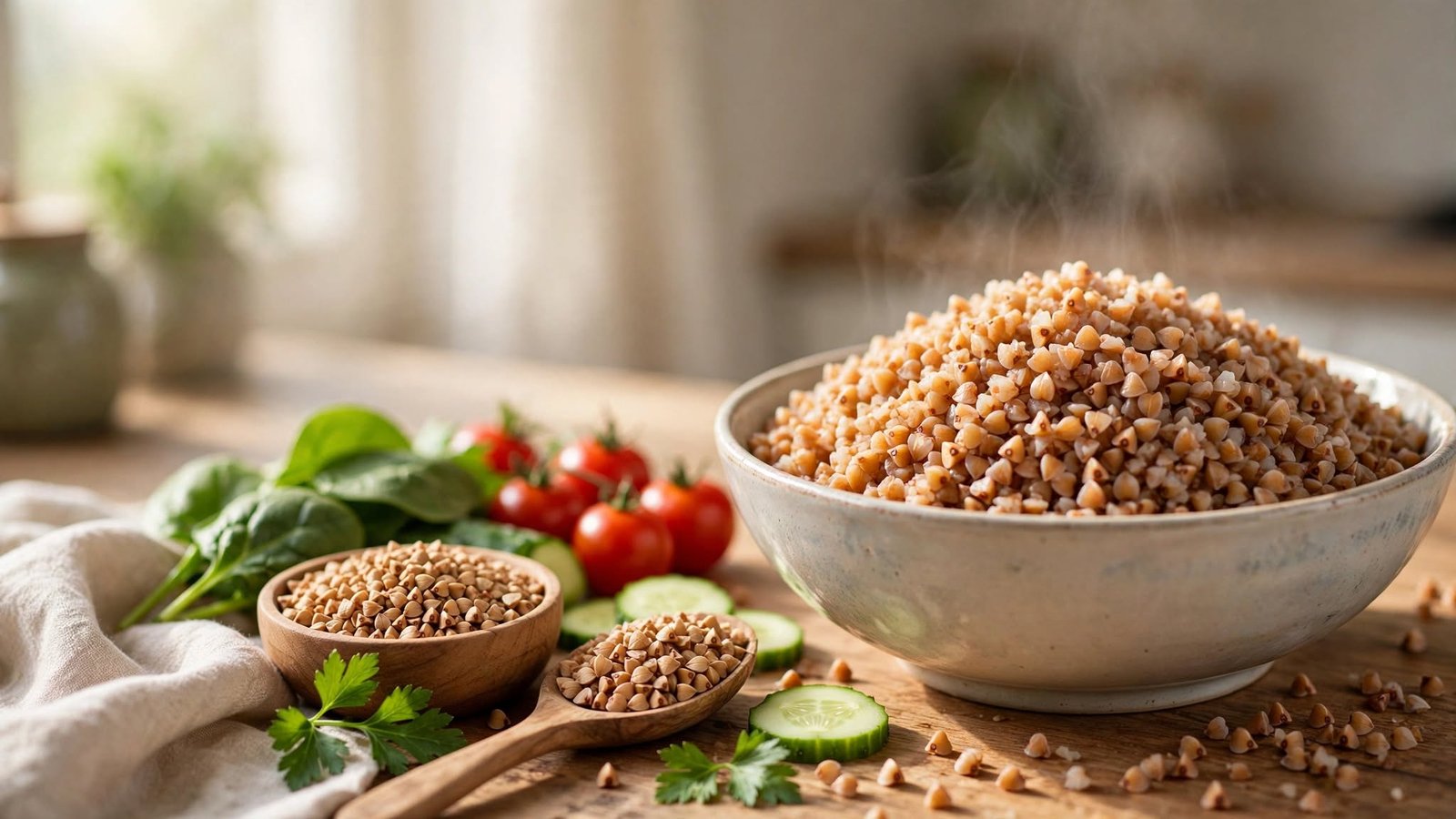
Buckwheat is a simple food that can make everyday meals more nutritious without requiring complicated recipes. You can cook it for breakfast, serve it with vegetables at lunch, or use buckwheat flour to prepare pancakes and other baked goods.
But what exactly does обикновена елда mean, and is ordinary buckwheat actually good for you?
The Bulgarian term обикновена елда refers to common buckwheat, a seed that people prepare and eat much like a grain. Despite its name, buckwheat is not a type of wheat. It is naturally gluten-free and provides fiber, plant-based protein, and several important minerals. Harvard Health
In this guide, we will look at what buckwheat is, its potential health benefits, how to cook it properly, and practical ways to include it in your daily meals.
What Is Обикновена Елда?
Обикновена елда translates to common buckwheat in English. Its scientific name is Fagopyrum esculentum.
Although people often group buckwheat with cereals, it is technically a pseudocereal. This means it is a seed that is eaten and prepared like a traditional grain, even though it does not come from a grass plant.
Buckwheat has a long history in Eastern European and Asian cooking. It is commonly used in porridge, soups, side dishes, noodles, and flour-based recipes.
What Does Buckwheat Look and Taste Like?
Buckwheat seeds are small and usually triangular. They are available in several forms:
- Raw buckwheat groats: Usually pale green or tan, with a mild flavor.
- Roasted buckwheat: Brown kernels with a stronger, nuttier taste. This form is often called kasha.
- Buckwheat flour: Ground buckwheat used for pancakes, breads, and other baked goods.
- Buckwheat noodles: Noodles made with buckwheat flour, sometimes combined with wheat flour.
Cooked buckwheat has a mild, earthy flavor. Its texture can range from firm and separate to soft and creamy, depending on the variety and cooking method.
Nutritional Value of Common Buckwheat
Buckwheat offers several nutrients that help make a balanced diet more varied. It supplies carbohydrates for energy, plant protein, dietary fiber, and minerals.
According to Cleveland Clinic, one cup of cooked buckwheat groats, weighing approximately 170 grams, contains around:
| Nutrient | Approximate amount |
|---|---|
| Calories | 156 |
| Carbohydrates | 33.8 g |
| Dietary fiber | 4.6 g |
| Protein | 5.7 g |
| Sugar | 1.5 g |
Source: Cleveland Clinic’s buckwheat nutrition guide.
These values are approximate. They can vary depending on the product, preparation method, and amount of water absorbed during cooking.
Important Nutrients in Buckwheat
Fiber: Helps support normal digestion and can contribute to feelings of fullness.
Plant-based protein: Supplies amino acids that the body uses to build and maintain tissues.
Magnesium: Supports normal muscle and nerve function.
Manganese: Helps the body process nutrients and supports normal metabolic functions.
Antioxidant compounds: Buckwheat contains plant compounds, including rutin and other polyphenols, that researchers are studying for their possible health effects.
Buckwheat is nutritious, but it should be part of a varied diet rather than treated as a complete solution to nutritional needs.
5 Potential Health Benefits of Buckwheat
Buckwheat can support a healthy eating pattern in several ways. Its benefits depend on your overall diet, portion sizes, preparation methods, and individual health needs.
1. Supports Healthy Digestion
Dietary fiber is an important part of a balanced diet because it helps maintain normal bowel movements and supports digestive health.
Buckwheat provides fiber that can help you increase your daily intake, especially if your meals usually rely on refined grains.
For a practical meal, try combining cooked buckwheat with vegetables such as carrots, broccoli, or spinach. This adds more fiber and variety to your plate.
If you are not used to eating fiber-rich foods, increase your intake gradually and drink enough water. Adding too much fiber too quickly may cause gas or bloating.
2. Provides Plant-Based Protein
Buckwheat contains protein, making it a useful ingredient for people who want to include more plant foods in their meals.
It can be especially helpful in vegetarian or vegan diets when combined with other protein sources, such as beans, lentils, tofu, nuts, or seeds.
For example, a lunch bowl made with buckwheat, chickpeas, roasted vegetables, and tahini dressing provides a more balanced combination of carbohydrates, protein, fats, and fiber than buckwheat alone.
Buckwheat is not exceptionally high in protein compared with concentrated protein foods, so variety still matters.
3. May Support Heart Health
Buckwheat contains fiber and plant compounds that have attracted interest in research on cardiovascular health.
One of these compounds is rutin, a flavonoid found in buckwheat and certain fruits and vegetables. Research suggests that buckwheat may have beneficial effects on cholesterol and other markers of cardiovascular health, although the strength of evidence varies.
Replacing some refined grain products with minimally processed buckwheat may be a practical way to improve the overall quality of your diet.
However, eating buckwheat does not guarantee lower cholesterol or prevent heart disease. Heart health depends on multiple factors, including physical activity, smoking, blood pressure, and the overall balance of your diet.
4. May Help Support Blood Sugar Management
Buckwheat provides carbohydrates alongside fiber and other nutrients. Its effects on blood sugar depend on the food form, preparation method, serving size, and what you eat with it.
Some research suggests that buckwheat may help support healthy blood glucose levels, but it should not be considered a treatment for diabetes.
A practical approach is to serve a moderate portion of buckwheat with non-starchy vegetables and a protein source such as eggs, fish, tofu, or beans.
If you monitor blood glucose, pay attention to your own response to different meals and follow the dietary guidance provided by your healthcare professional.
5. Offers a Naturally Gluten-Free Alternative
One of buckwheat’s most useful features is that it is naturally gluten-free.
This makes it a possible alternative to wheat-based grains for people who need to avoid gluten, including those with celiac disease.
However, not every product containing buckwheat is gluten-free. Some noodles, breads, pancakes, and flour blends contain wheat or may be exposed to gluten during processing.
If you have celiac disease, choose products specifically labeled or certified gluten-free when appropriate. Check the ingredients and avoid cross-contact with wheat, barley, and rye. Celiac Disease Foundation
People who do not need to avoid gluten do not have to eliminate wheat simply to enjoy buckwheat.
How to Cook Обикновена Елда
Cooking buckwheat is straightforward, and you can prepare it with basic kitchen equipment.
Ingredients
For approximately two servings, you will need:
- 1 cup of buckwheat groats
- 2 cups of water, adjusting if your package gives different instructions
- A small pinch of salt, if desired
- Optional herbs, spices, or a little olive oil
Step-by-Step Cooking Instructions
Step 1: Check the groats.
Read the package instructions to determine whether the buckwheat is raw or roasted. Cooking times can vary by product.
Step 2: Rinse the buckwheat.
Place the groats in a fine-mesh strainer and rinse them under cool running water. Drain well.
Step 3: Bring the water to a boil.
Add the water and optional salt to a saucepan. Bring it to a boil.
Step 4: Add the buckwheat.
Stir in the groats, reduce the heat, and cover the saucepan.
Step 5: Simmer until tender.
Follow the package’s recommended cooking time. Many groats take around 10–20 minutes, depending on the variety and processing.
Step 6: Let it rest.
Once the water has been absorbed and the groats are tender, remove the pan from the heat. Leave it covered for about five minutes, then fluff gently with a fork.
You can serve the cooked buckwheat immediately or cool it for use in salads and other meals.
How to Avoid Mushy Buckwheat
If your buckwheat becomes too soft, try these adjustments next time:
- Use the liquid ratio recommended on the package.
- Avoid stirring it repeatedly while it simmers.
- Check the texture toward the end of cooking.
- Reduce the cooking time slightly if you prefer firm, separate kernels.
- Drain any excess water if the groats are tender before all the liquid has evaporated.
Roasted buckwheat often works particularly well as a rice substitute because its flavor is deeper and nuttier.
6 Easy Ways to Use Buckwheat in Everyday Meals
Buckwheat is versatile enough for both sweet and savory recipes. Here are several practical ways to use it.
1. Make a Breakfast Porridge
Cook buckwheat until soft, then add milk or a suitable plant-based alternative.
For extra flavor, include:
- Fresh berries or sliced banana
- Cinnamon
- Chopped walnuts or almonds
- A small amount of honey, if desired
This is a useful option when you want something warm and filling for breakfast.
2. Serve It Instead of Rice
Use cooked buckwheat as a side dish with roasted vegetables, grilled chicken, fish, tofu, or beans.
Season it with garlic, black pepper, parsley, or lemon juice. These simple additions can improve the flavor without relying on heavy sauces.
3. Prepare a Buckwheat Salad
Allow cooked buckwheat to cool, then combine it with cucumber, tomatoes, parsley, lemon juice, and olive oil.
You can also add chickpeas or feta cheese for more protein and flavor.
This works well as a packed lunch because the ingredients can be prepared in advance.
4. Use Buckwheat Flour for Pancakes
Buckwheat flour can be used in pancakes and other baked foods. It has a distinctive earthy flavor and does not behave exactly like wheat flour because it lacks gluten.
For a simple batter, combine buckwheat flour with eggs, milk, and a little baking powder. You may need to adjust the liquid to achieve the desired consistency.
For a gluten-free recipe, ensure every ingredient is suitable and avoid adding ordinary wheat flour.
5. Add It to Soups
Cooked buckwheat can add texture and substance to vegetable soups.
Add it toward the end of cooking if it is already prepared. If adding uncooked groats, follow the cooking instructions and allow enough time for them to soften.
Remember that buckwheat absorbs liquid, so you may need to add extra broth.
6. Build a Balanced Lunch Bowl
Combine buckwheat with roasted vegetables, lentils, tofu, or another protein source.
Finish with a dressing made from lemon juice, olive oil, herbs, or yogurt.
This approach makes it easy to adjust portions based on your appetite and nutritional needs.
Raw vs. Roasted Buckwheat: Which Should You Choose?
Both forms can be useful. Your choice mainly depends on flavor, texture, and the recipe.
| Feature | Raw buckwheat | Roasted buckwheat |
|---|---|---|
| Flavor | Mild and earthy | Stronger and nuttier |
| Color | Usually pale | Usually brown |
| Common uses | Porridge, flour, recipes | Side dishes, kasha |
| Texture | Depends on preparation | Often cooks into distinct kernels |
Check the packaging because raw and roasted products may require different cooking methods. Neither form is automatically healthier in every situation.
Are There Any Downsides to Eating Buckwheat?
Buckwheat is suitable for many people, but there are a few points worth considering.
Possible Allergic Reactions
Some people are allergic to buckwheat. Reactions can be serious, although allergies are not common in every population. Avoid it if you have a known allergy and seek urgent medical help for symptoms of a severe allergic reaction.
Digestive Discomfort
A sudden increase in fiber intake may cause bloating or gas. Start with a moderate serving if you are unfamiliar with buckwheat.
Hidden Gluten in Packaged Products
Buckwheat itself is naturally gluten-free, but mixed flour products and some noodles may contain wheat. Read ingredient labels carefully if gluten avoidance is medically necessary.
Portion Sizes Still Matter
Buckwheat contains carbohydrates and calories. Adding large quantities of oil, butter, sugar, or sweet toppings can also change the nutritional profile of a meal.
For most people, the practical goal is to include an appropriate serving within a varied, balanced diet.
How to Store Buckwheat Properly
Good storage helps preserve flavor and quality.
- Uncooked groats: Keep them in an airtight container in a cool, dry place.
- Buckwheat flour: Follow the package instructions. Refrigeration or freezing can help maintain quality for longer storage.
- Cooked buckwheat: Refrigerate promptly in a covered container and use within three to four days as a general food-safety guideline.
- Freezing: Freeze cooked portions in suitable containers if you want to keep them longer.
Discard buckwheat that develops an unusual smell, visible mold, or other signs of spoilage.
Frequently Asked Questions About Обикновена Елда
Is обикновена елда the same as buckwheat?
Yes. The Bulgarian phrase обикновена елда refers to common buckwheat, generally identified botanically as Fagopyrum esculentum.
Is buckwheat healthier than rice?
Neither is automatically healthier for everyone. Buckwheat offers fiber, plant protein, and minerals, while rice provides carbohydrates and varies nutritionally by type. Comparing whole buckwheat with white rice may produce different results than comparing it with brown rice.
The best choice depends on your dietary needs, preferences, and the rest of your meal.
Can I eat buckwheat every day?
Many people can include buckwheat regularly as part of a varied diet. You do not need to eat it daily to benefit from its nutrients. Rotating it with other grains, pseudocereals, legumes, and starchy vegetables helps provide dietary variety.
Does buckwheat help with weight management?
Its fiber and protein content may help you feel satisfied, which can support a balanced eating plan. However, buckwheat does not directly cause weight loss. Overall energy intake, physical activity, sleep, and other factors also matter.
Is buckwheat suitable for people with celiac disease?
Pure buckwheat is naturally gluten-free. However, contamination can occur during harvesting, processing, or preparation. People with celiac disease should select appropriately labeled gluten-free products and avoid cross-contact.
What is the difference between buckwheat groats and buckwheat flour?
Groats are the whole kernels, which are commonly cooked for porridge or side dishes. Buckwheat flour is made by grinding the seeds and is used in pancakes, noodles, and baked goods.
Final Thoughts
Обикновена елда, or common buckwheat, is a versatile food that can bring more variety to your meals. It supplies fiber, plant-based protein, minerals, and beneficial plant compounds while offering a naturally gluten-free alternative to traditional cereal grains.
You can prepare it as a breakfast porridge, serve it instead of rice, add it to salads and soups, or use buckwheat flour in pancakes.
My practical recommendation is to start with a simple serving of cooked buckwheat alongside vegetables and a protein source. Once you are comfortable with its flavor and texture, experiment with different seasonings and recipes.
Buckwheat is not a miracle food, but it can be a useful part of a balanced diet when prepared in ways you enjoy and paired with a variety of nutritious ingredients.
