



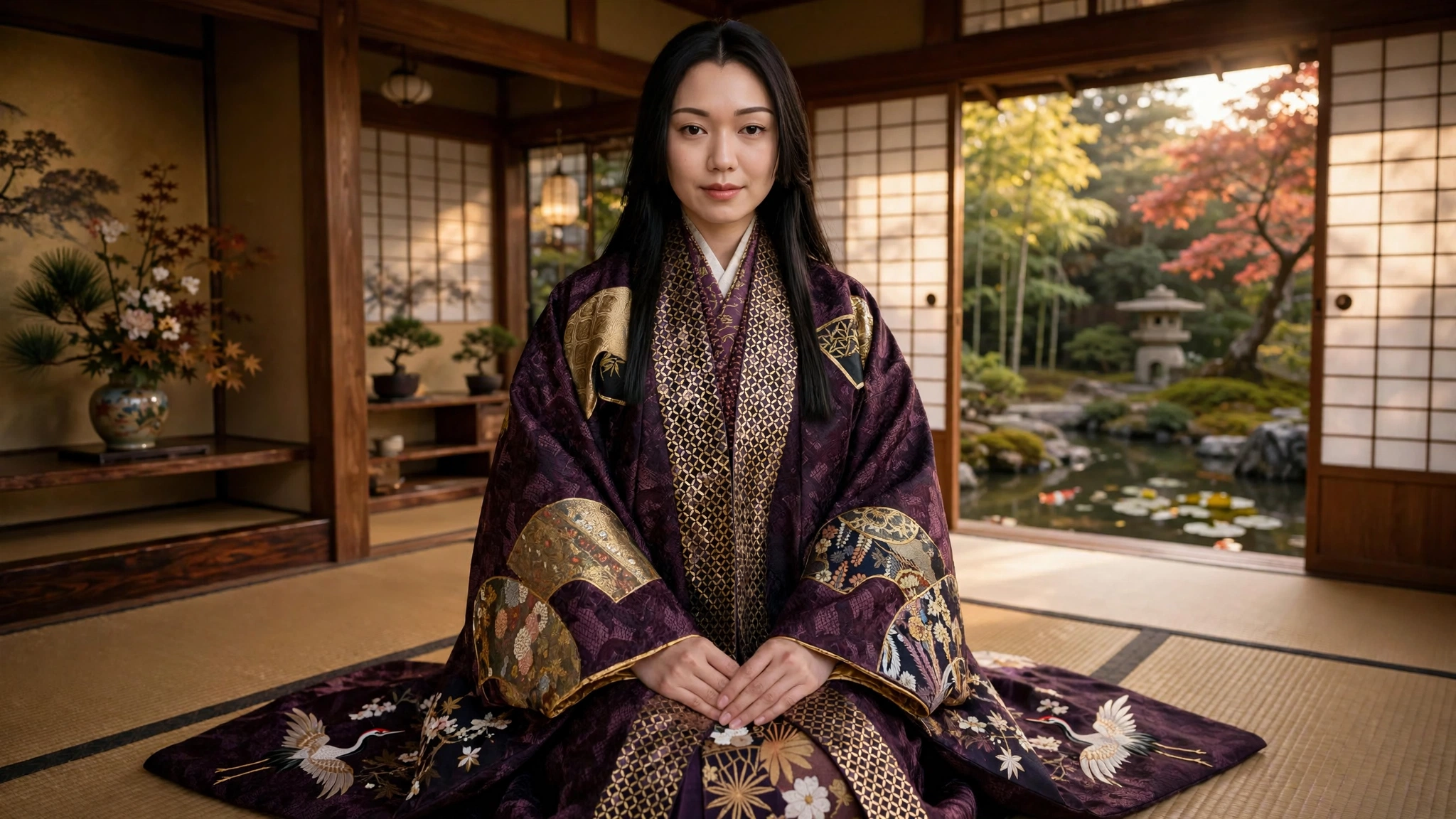
Fumi Nikaido is a Japanese actress and model who has built an impressive career across film, television, and international productions. Known for her versatility and ability to disappear into very different characters, she has become one of Japan’s most recognizable contemporary performers.
From her early beginnings as a teenage model in Okinawa to acclaimed performances in films such as Himizu, My Man, and Why Don’t You Play in Hell?, Nikaido has consistently taken on challenging roles. Her international profile expanded further with her appearance as Ochiba no Kata in the acclaimed television series Shōgun.
Who Is Fumi Nikaido?
Fumi Nikaido was born on September 21, 1994, in Naha, Okinawa, Japan. She entered the entertainment industry at a young age after being discovered by Sony Music Artists when she was 12.
Her early modeling opportunities included appearances in fashion magazines and advertising campaigns. This experience eventually opened the door to television and film acting, establishing the foundation for a career that would quickly move beyond modeling.
Fumi Nikaido’s Early Life and Modeling Career
Nikaido’s introduction to entertainment was unusual in that it began through a photograph published in an Okinawan edition of a local publication featuring amateur models. Sony Music Artists noticed her and offered her professional opportunities.
During her teenage years, she worked as a model while also appearing in advertising campaigns. Her early exposure to cameras, fashion, and commercial productions gave her valuable experience before she transitioned more seriously into acting.
Her modeling background also helped introduce her to audiences before she became known primarily for dramatic acting. Rather than remaining focused on fashion, however, Nikaido gradually moved toward the medium that would define her career.
Beginning Her Acting Career
Nikaido began appearing in television productions while still young, with her early screen work leading to increasingly substantial roles. Her official biography identifies Atami no Sousakan as an early television acting role and Toad’s Oil as her film debut.
Her early filmography showed that she was willing to work with established Japanese filmmakers and explore different genres. This helped her develop experience quickly during the first years of her professional career.
Breakthrough With Himizu
One of the defining moments of Nikaido’s early career came with Himizu, directed by Sion Sono. The film, based on a manga and dealing with troubled young people in the aftermath of the 2011 earthquake and tsunami, gave Nikaido a demanding dramatic role.
Her performance attracted international attention when Himizu screened at the Venice International Film Festival. Nikaido and co-star Shota Sometani jointly received the Marcello Mastroianni Award for emerging acting talent, a major achievement for a young Japanese performer.
The recognition helped establish Nikaido as more than a promising young actress. It positioned her as a serious performer capable of handling emotionally complex material.
Major Movies in Fumi Nikaido’s Career
Nikaido’s film career has covered a remarkably broad range of genres and directors. Her credits include Lesson of the Evil, The Brain Man, Why Don’t You Play in Hell?, Mourning Recipe, Au Revoir, l’Été, My Man, and The World of Kanako.
She later appeared in films including River’s Edge, Fly Me to the Saitama, Tezuka’s Barbara, No Longer Human, Threads: Our Tapestry of Love, What to Do with the Dead Kaiju?, and The Moon.
Her filmography demonstrates an ability to move between serious dramas, dark stories, comedy, fantasy, and commercial productions without becoming associated with only one type of character.
Why Don’t You Play in Hell?
Nikaido worked again with director Sion Sono in Why Don’t You Play in Hell?, a highly energetic film that combines action, comedy, crime, and exaggerated cinematic style.
Her role demonstrated another side of her acting abilities and reinforced her reputation for taking on characters that could be dramatically different from her earlier work.
The film became another notable entry in a period when Nikaido was establishing herself as one of Japan’s more distinctive young performers.
My Man and Dramatic Roles
Another significant project was My Man, in which Nikaido took on a challenging dramatic role. The film further illustrated her willingness to explore complicated and emotionally demanding material.
Rather than limiting herself to conventional leading-character roles, Nikaido has frequently chosen projects that allow her to explore difficult personalities and unusual relationships.
This approach has been an important part of her artistic identity and has contributed to her reputation for versatility.
Fly Me to the Saitama
Nikaido also demonstrated her ability to work successfully in comedy through the Fly Me to the Saitama film series. She played Momomi Dannoura in the original 2019 film and returned for Fly Me to the Saitama: From Biwa Lake With Love in 2023.
These films represent a very different tone from the serious dramas that helped establish her reputation. Her participation showed that her appeal extends beyond intense dramatic performances.
Fumi Nikaido’s Television Career
Alongside her film work, Nikaido has maintained a substantial television career. Her credits include The Tempest, Future Diary, Woman: My Life for My Children, Gunshi Kanbei, Henshin, A Restaurant With Many Problems, Lost ID, and Frankenstein’s Love.
She later appeared in Strawberry Night Saga, Yell, Promise Cinderella, Vivant, and Eye Love You. These productions allowed her to reach audiences through different formats and genres.
Her television work has also included major Japanese historical dramas and contemporary series, demonstrating the breadth of her screen career.
Yell and Promise Cinderella
In Yell, Nikaido played Oto Sekiuchi in the NHK morning drama series. The production gave her an opportunity to appear in a long-running television format and connect with a broad domestic audience.
She later took a leading role as Hayame Katsuragi in Promise Cinderella, another important television project that highlighted her ability to carry a series as a central character.
These roles added further variety to a career that had already been strongly associated with Japanese cinema.
Vivant
Nikaido appeared as Kaoru Yuzuki in the television series Vivant. The series became another prominent part of her modern television career and introduced her to audiences through a large-scale production.
Her work in Vivant continued the pattern of combining television visibility with the demanding character work that has characterized much of her career.
International Recognition Through Shōgun
One of the most significant developments in Nikaido’s international profile came with her appearance in the 2024 FX series Shōgun. She portrayed Ochiba no Kata, also known as Ruri.
The series attracted substantial international attention and introduced Nikaido to viewers who may not have previously followed Japanese cinema or television. Her involvement represented an important step in the international expansion of her career.
Her appearance in Shōgun also demonstrated how Japanese performers increasingly participate in internationally produced stories while bringing experience from Japan’s film and television industries.
Recent Film and Television Work
Nikaido has continued to expand her screen credits in recent years. Her filmography includes The Moon, A Pale View of Hills, and other projects released or announced during the 2020s.
She has also remained active in television, including appearances in productions such as Eye Love You and later projects. Her continued work across both film and television reflects the longevity of her career since her teenage years.
Awards and Achievements
Fumi Nikaido has received significant recognition for her acting. Her joint Marcello Mastroianni Award at the Venice International Film Festival for Himizu was one of the most important early milestones of her career.
She also received the Newcomer of the Year honor at the 36th Japan Academy Film Prize for performances including Himizu and Lesson of the Evil. In addition, she won Best Supporting Actress at the 56th Blue Ribbon Awards for work that included Why Don’t You Play in Hell?.
These achievements helped establish her reputation as an actress capable of delivering both commercially visible and critically respected performances.
Fumi Nikaido’s Acting Style
One of the defining characteristics of Nikaido’s career is her versatility. She has portrayed vulnerable young women, eccentric characters, historical figures, comedic personalities, and psychologically complex roles.
The Japan Times noted her ability to disappear into characters that are significantly different from one another. This adaptability has allowed her to work with a wide range of directors and avoid being limited to a single screen persona.
Her performances often emphasize emotional complexity rather than relying solely on conventional glamour or star presence. This has helped distinguish her within Japanese cinema.
Her Impact on Japanese Cinema
Nikaido represents a generation of Japanese performers who have successfully moved between independent filmmaking, mainstream television, major commercial productions, and international entertainment.
Her career demonstrates how an actress can build credibility through challenging films while maintaining a strong presence in popular television.
The combination of critical recognition and mainstream visibility has made her an important contemporary figure in Japanese entertainment.
Conclusion
Fumi Nikaido’s career is a story of early discovery, artistic versatility, critical recognition, and international growth. From her beginnings as a young model in Okinawa to award-winning performances and major television appearances, she has steadily expanded her position in the entertainment industry.
Her work in films such as Himizu, My Man, Why Don’t You Play in Hell?, and The Moon, together with television productions such as Yell, Promise Cinderella, Vivant, and Shōgun, illustrates the remarkable range of her career.
With a filmography that crosses genres and increasingly reaches international audiences, Fumi Nikaido has established a creative legacy based on versatility, thoughtful role selection, and a willingness to explore challenging characters. Her continued work suggests that she remains an important and evolving presence in both Japanese and international screen entertainment.
