



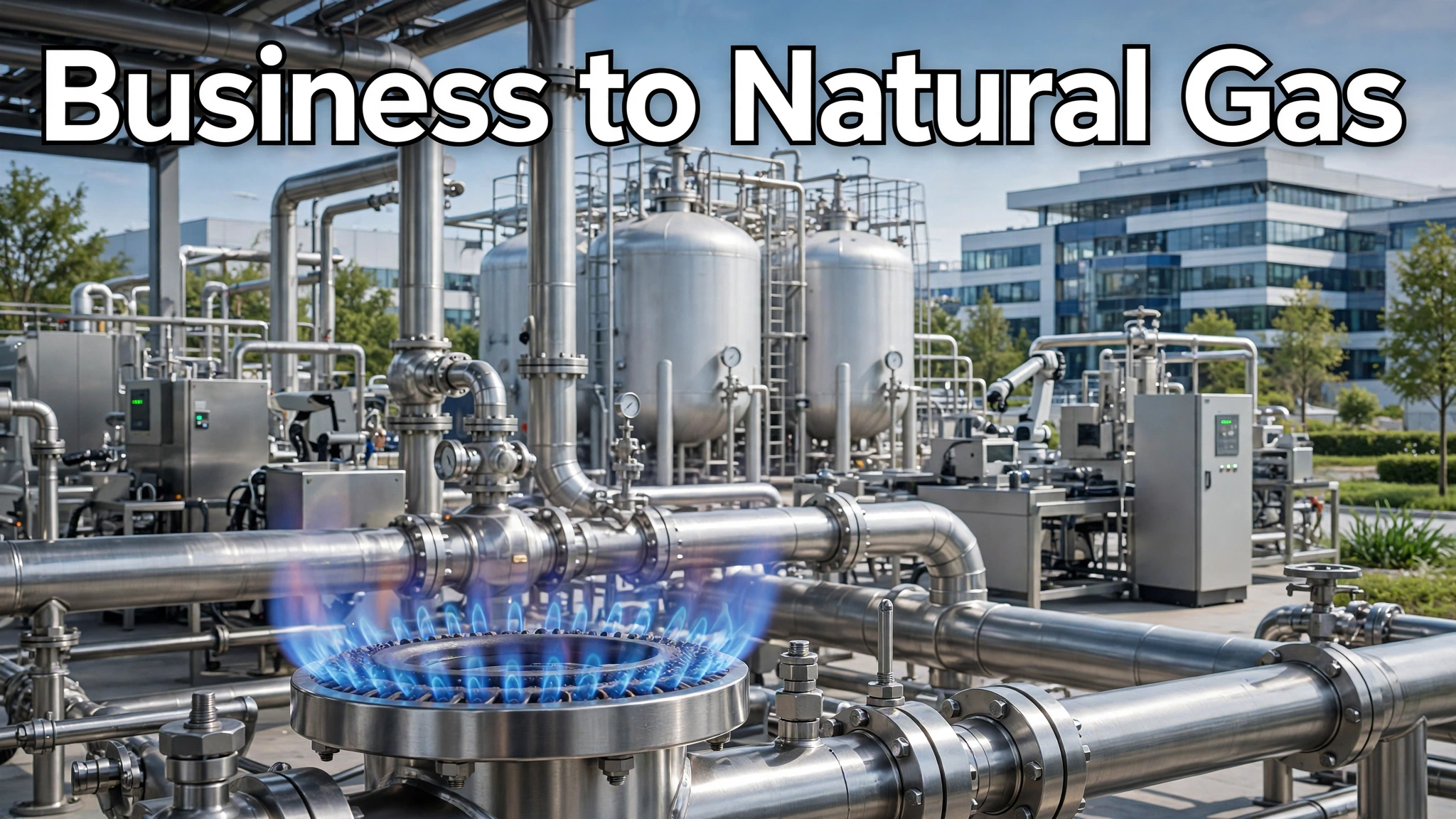
Energy plays an essential role in the success of modern businesses. From manufacturing facilities and restaurants to hotels, warehouses, and commercial buildings, companies depend on reliable energy sources to maintain daily operations, control expenses, and improve productivity. Choosing the right fuel can make a significant difference in how efficiently a business operates.
Natural gas has become an increasingly popular energy option for commercial and industrial applications. Its versatility, heating efficiency, and potential cost advantages make it an attractive alternative to certain traditional fuels. Businesses that currently depend on electricity, heating oil, propane, or other energy sources may find several advantages in considering a conversion to natural gas.
Converting a business to natural gas is not simply about changing fuel sources. It can also provide an opportunity to modernize equipment, improve energy management, and support long-term operational goals. This article explores the major benefits of converting your business to natural gas and explains what companies should consider before making the switch.
What Does Converting a Business to Natural Gas Mean?
Converting a business to natural gas means changing existing energy systems or equipment so they can operate using natural gas instead of another fuel source. Depending on the facility, this process may involve installing new appliances, modifying industrial equipment, connecting to a natural gas pipeline, or upgrading heating systems.
Natural gas is primarily composed of methane and is commonly used for commercial heating, cooking, industrial manufacturing, water heating, and electricity generation. Businesses can receive it through underground pipeline networks or, where appropriate, alternative supply arrangements such as compressed natural gas (CNG) and liquefied natural gas (LNG).
The conversion process varies depending on the size of the business and its energy requirements. A small restaurant may only need to replace certain cooking appliances, while a manufacturing facility may require extensive equipment upgrades and professional installation.
1. Lower Energy Costs
One of the most attractive benefits of converting to natural gas is the potential to reduce energy expenses. Energy bills can represent a considerable portion of a company’s operating budget, especially for businesses that require continuous heating, cooking, or industrial production.
In many markets, natural gas can cost less than electricity, propane, or heating oil for certain applications. Businesses that consume large amounts of energy may benefit from comparing the cost of natural gas with their existing fuel expenses.
Lower energy costs can improve cash flow and provide additional financial flexibility. Companies may use the savings to invest in equipment upgrades, employee development, expansion projects, or other business priorities.
However, actual savings depend on local gas prices, electricity rates, connection charges, equipment efficiency, and consumption patterns. Businesses should conduct a detailed cost analysis before deciding whether conversion is financially worthwhile.
2. Improved Energy Efficiency
Energy efficiency is another important reason businesses consider natural gas. Modern natural gas equipment, including boilers, furnaces, water heaters, and industrial burners, can provide efficient energy conversion for many commercial applications.
Businesses that replace outdated equipment with modern natural gas systems may reduce fuel consumption while maintaining the same level of heating performance. This can be particularly beneficial for facilities that require consistent temperatures throughout their operations.
For example, manufacturing companies often depend on industrial heating systems to support production processes. Efficient natural gas equipment can help maintain the required temperatures while reducing unnecessary energy waste.
When combined with proper maintenance and efficient equipment design, natural gas systems can contribute to better overall energy management.
3. Reliable Energy Supply
A dependable energy supply is essential for businesses that cannot afford frequent interruptions. Power or fuel disruptions can affect production schedules, damage sensitive equipment, delay customer orders, and increase operating expenses.
Where pipeline infrastructure is well established, natural gas can provide a consistent fuel supply for commercial and industrial operations. Businesses can use it to power heating equipment, industrial furnaces, boilers, and other compatible systems.
This reliability can be particularly valuable for factories, food-processing facilities, hotels, and commercial kitchens that require continuous energy for daily activities.
However, natural gas pipelines are not immune to supply interruptions. Companies should evaluate local infrastructure reliability and consider suitable backup arrangements when uninterrupted operations are essential.
4. Reduced Environmental Impact Compared With Certain Fuels
Environmental responsibility has become an important consideration for businesses of all sizes. Companies are increasingly looking for practical ways to manage energy consumption and reduce their environmental footprint.
When burned, natural gas generally produces less carbon dioxide per unit of energy than coal and many petroleum fuels. It also typically produces lower levels of sulfur dioxide and particulate matter compared with heavier fossil fuels.
For businesses currently using more carbon-intensive fuels, switching to natural gas may help reduce certain direct emissions. This can support environmental improvement initiatives while allowing companies to continue using familiar heating and industrial technologies.
Nevertheless, natural gas remains a fossil fuel. Methane leaks during extraction, processing, and transportation can contribute to climate change, so businesses should consider supply-chain emissions and explore renewable energy options as part of their long-term sustainability strategies.
5. Greater Operational Flexibility
Natural gas is a versatile fuel that can support different business activities. This flexibility makes it useful for companies operating in industries with varying energy requirements.
Manufacturing facilities may use natural gas for heating, drying, melting, and steam production. Restaurants and hotels can use it for cooking, water heating, and space heating, while commercial buildings may use it to operate heating systems and boilers.
Some businesses can also use natural gas in combined heat and power systems. These systems generate electricity while capturing useful heat, potentially improving overall energy utilization when both forms of energy are needed.
This range of applications allows businesses to evaluate different ways of integrating natural gas into their existing operations.
6. Reduced Dependence on Fuel Deliveries
Businesses that use propane, heating oil, or other delivered fuels may need to arrange regular deliveries and maintain suitable storage facilities. Managing fuel inventory can require additional time, planning, and operational resources.
Converting to pipeline natural gas can simplify this process because fuel is delivered directly through an established distribution network. Businesses may no longer need to schedule frequent deliveries or monitor large on-site fuel inventories for the applications converted to pipeline gas.
This can make energy management more convenient, particularly for facilities with high and consistent fuel requirements.
However, pipeline connections are not available in every location. Businesses without access may need to consider delivered CNG or LNG, which still involves transportation, storage, and specialized handling.
7. Better Heating Performance
Natural gas can provide effective and controllable heating for many commercial applications. Modern gas-fired heating systems allow businesses to manage temperatures according to their operational requirements.
Commercial kitchens can benefit from adjustable heat on gas cooking equipment, while industrial facilities can use gas-fired furnaces and boilers for processes that require consistent thermal output.
Heating performance is especially important for businesses involved in food production, manufacturing, hospitality, and other industries where temperature control affects product quality and customer comfort.
Choosing appropriately sized and professionally installed equipment can help businesses achieve reliable heating performance while avoiding unnecessary energy consumption.
8. Potential Long-Term Financial Savings
Although converting to natural gas may require an initial investment, businesses should consider the potential financial benefits over the equipment’s useful life.
Conversion expenses may include pipeline connections, installation work, equipment replacement, ventilation improvements, and safety systems. These costs can vary significantly depending on the building, existing infrastructure, and type of equipment involved.
Once the system is installed, businesses may benefit from lower fuel costs, improved equipment efficiency, and reduced fuel-delivery requirements. These advantages could contribute to long-term savings when natural gas is competitively priced.
A return-on-investment calculation can help business owners understand how much they may save and how long it could take to recover the initial conversion expenses.
9. Increased Convenience for Daily Operations
Managing several different energy sources can create unnecessary complexity for business owners and facility managers. Different fuels may require separate suppliers, storage arrangements, maintenance schedules, and delivery planning.
Natural gas can simplify energy management when multiple compatible applications are connected to the same pipeline supply. Businesses may use it for heating, cooking, hot water, and certain industrial processes without maintaining separate fuel inventories for each application.
This convenience can help managers focus more attention on core business activities instead of spending additional time coordinating fuel deliveries.
The extent of this benefit depends on the company’s existing energy infrastructure and the number of applications that can be converted.
10. Support for Business Growth and Expansion
Growing businesses often need additional energy capacity to support new equipment, expanded production, and larger facilities. Choosing an energy source that can accommodate changing operational requirements is therefore an important part of long-term planning.
Natural gas may provide a practical solution for companies that expect to increase their heating, cooking, or industrial energy requirements. Businesses can assess their future demand when selecting boilers, furnaces, and other gas-powered equipment.
For example, a manufacturing company expanding its production capacity may evaluate natural gas systems to support additional industrial heating requirements. A restaurant opening a larger kitchen may also consider gas-powered cooking equipment.
Proper planning can help businesses avoid unnecessary infrastructure costs and ensure that their energy systems are suitable for future operations.
11. Opportunities to Modernize Business Equipment
Converting to natural gas can provide an opportunity to replace outdated equipment with newer and more efficient technologies. Older boilers, furnaces, and heating systems may consume more energy than necessary and require frequent maintenance.
During the conversion process, businesses can evaluate modern equipment designed to improve energy performance, temperature control, and operational reliability.
Upgrading equipment can also help facilities improve workplace comfort and maintain more consistent operating conditions. These improvements may contribute to better productivity and reduced energy waste.
Businesses should select equipment based on their actual requirements rather than assuming that every natural gas appliance will automatically deliver lower operating costs.
What Types of Businesses Can Benefit From Natural Gas?
Natural gas can support a wide range of commercial and industrial activities. However, its suitability depends on local infrastructure, energy consumption, equipment compatibility, and fuel prices.
Manufacturing companies may benefit from natural gas for industrial heating, boilers, and production processes. Restaurants, cafés, and hotels can use it for commercial cooking, laundry equipment, water heating, and building heating.
Hospitals, educational institutions, warehouses, and office buildings may also consider natural gas for heating and hot water systems. Businesses with substantial and consistent thermal energy requirements are often among the most suitable candidates for evaluating a conversion.
Smaller businesses can also benefit, particularly when natural gas is readily available and the conversion does not require substantial infrastructure investment.
Important Factors to Consider Before Converting to Natural Gas
Although natural gas offers several potential benefits, businesses should evaluate the practical requirements before beginning a conversion project.
Pipeline availability should be one of the first considerations. Companies need to determine whether a suitable natural gas connection is available and understand the costs associated with connecting their premises.
Equipment compatibility is equally important. Existing appliances and industrial systems may not be designed to operate on natural gas, meaning modifications or complete replacements could be necessary.
Safety must also remain a priority. Natural gas is flammable, and leaks can create serious fire and explosion hazards. Businesses should use qualified installers, follow applicable regulations, maintain proper ventilation, and install gas detection and shutoff systems where required.
Finally, companies should compare installation costs, fuel prices, equipment maintenance, and expected energy consumption. A professional energy assessment can help determine whether the conversion offers a reasonable financial and operational advantage.
Is Converting to Natural Gas Worth It for Your Business?
Converting to natural gas can be a worthwhile investment for businesses with significant heating, cooking, or industrial energy requirements. Companies may benefit from competitive fuel costs, efficient equipment, convenient supply arrangements, and improved operational flexibility.
However, the financial benefits are not guaranteed. Businesses located far from natural gas infrastructure or those with relatively low energy consumption may find that conversion expenses outweigh the potential savings.
The best approach is to compare natural gas with other available energy sources and evaluate both short-term costs and long-term operational requirements. Companies should also consider renewable energy and electrification opportunities when planning their future energy strategies.
Conclusion
Converting your business to natural gas can provide several advantages, including potential energy savings, improved efficiency, reliable fuel access, flexible applications, and reduced emissions compared with certain traditional fossil fuels. These benefits make natural gas an option worth evaluating for many commercial and industrial organizations.
However, successful conversion requires careful planning. Businesses must consider installation costs, pipeline availability, equipment compatibility, safety standards, and long-term energy prices before making a decision.
By conducting a detailed energy assessment and working with qualified professionals, companies can determine whether natural gas is the right choice for their operations. A well-planned energy strategy can help businesses manage expenses, improve productivity, and prepare for future growth.
