



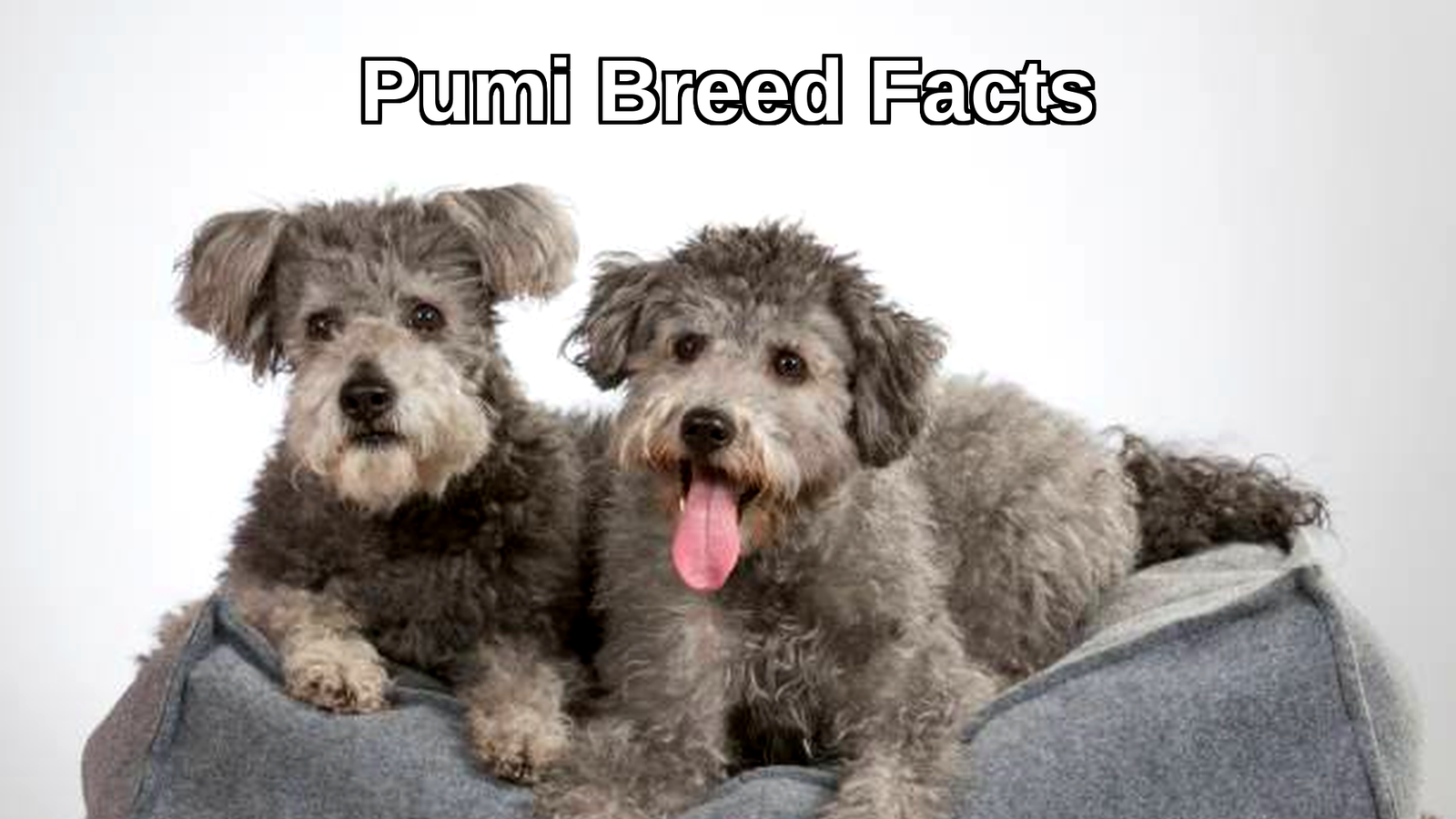
The Pumi is a distinctive Hungarian herding dog known for its curly coat, energetic personality, expressive ears, and remarkable intelligence. Originally developed to help farmers manage livestock, this medium-sized breed has become popular among dog enthusiasts who appreciate active, trainable, and affectionate companions.
Although the Pumi may look unusual because of its wavy coat and alert expression, its appearance is only one part of what makes the breed special. Its hardworking nature, quick learning ability, and playful temperament have helped it develop a reputation as one of Hungary’s most interesting native dog breeds.
Whether you are considering adopting a Pumi or simply want to learn more about this unusual Hungarian dog, understanding its history, physical characteristics, personality, grooming requirements, and health needs can help you decide whether it is the right breed for your lifestyle.
What Is a Pumi Dog?
The Pumi is a medium-sized Hungarian herding dog originally bred to control and move livestock, particularly sheep and cattle. It belongs to the group of traditional Hungarian working dogs and is recognized for its agility, intelligence, and ability to respond quickly to commands.
One of the breed’s most recognizable features is its curly or wavy coat, which gives it a distinctive appearance. Its upright, semi-pricked ears, narrow muzzle, and lively facial expression also help distinguish it from other herding breeds.
Pumis are naturally active dogs that enjoy having tasks to complete. Although they can adapt to family life, they generally need regular exercise, mental stimulation, and consistent training to remain happy and well-behaved.
History and Origin of the Hungarian Pumi
The Pumi originated in Hungary and developed over several centuries through the influence of local herding dogs and other European working breeds. Its history is closely connected to Hungarian farming communities, where farmers needed intelligent and energetic dogs capable of managing livestock across different types of land.
The breed is believed to have developed partly through the crossing of traditional Hungarian Pulis with other European herding dogs, including terrier-type dogs. These influences contributed to the Pumi’s distinctive physical appearance, quick movements, and lively working temperament.
For many years, the Pumi was primarily valued as a practical farm dog rather than a household companion. Its ability to control livestock, respond to farmers’ instructions, and work independently made it an important part of agricultural life.
The breed was officially distinguished from the Puli during the early twentieth century. Today, the Pumi is recognized internationally, including by the American Kennel Club, which added it to its Miscellaneous Class in 2016 before granting full recognition in 2016.
Physical Characteristics of the Pumi
The Pumi has a compact, athletic body that reflects its background as a working and herding dog. Its overall appearance combines the agility of a farm dog with the distinctive coat and facial features that make it recognizable.
Adult Pumis generally stand around 15 to 18.5 inches tall at the shoulder, with males typically being slightly larger than females. Their weight usually ranges from approximately 22 to 29 pounds, although individual dogs may vary.
One of the most noticeable characteristics is the breed’s expressive ears. They are high-set and mostly upright, with the upper tips bending forward, creating an alert and curious expression.
The Pumi also has a relatively long head, dark oval eyes, and a lively facial appearance. Its body is well-proportioned, allowing it to move quickly and comfortably while performing demanding physical activities.
The Pumi’s Unique Curly Coat
The Pumi’s coat is one of its most distinctive physical features. It consists of a combination of wavy and curly hair that creates a textured appearance across the body.
The coat is generally medium-length and should form characteristic curls rather than long, tight cords. Unlike the Puli, whose traditional coat can develop into long cords, the Pumi’s hair maintains a more separated and fluffy texture.
Common coat colors include black, white, gray, and fawn. Some dogs may also have different shades within these recognized color categories.
Although the Pumi’s coat is not typically associated with heavy shedding, it still requires regular maintenance. Proper grooming helps prevent tangles, maintain the coat’s natural texture, and keep the dog comfortable.
Pumi Personality and Temperament
The Pumi is known for its energetic, intelligent, curious, and alert personality. These dogs are naturally interested in their surroundings and often enjoy participating in activities with their families.
Because of their herding background, Pumis tend to be responsive and attentive. They usually enjoy learning new commands and can become enthusiastic participants in activities that challenge their physical and mental abilities.
Pumis can also be affectionate and loyal family companions. They often develop strong connections with their owners and prefer spending time with people rather than being left alone for extended periods.
However, their alert nature can sometimes make them vocal. They may bark when they notice unfamiliar sounds, visitors, or unusual activity around the home, so early training is important for managing excessive barking.
Are Pumi Dogs Good Family Pets?
Pumis can make excellent family pets for households that understand their energetic nature and exercise requirements. They enjoy interaction, companionship, and activities that allow them to use their intelligence.
With appropriate socialization, many Pumis can live comfortably with children. Their playful personalities may make them enjoyable companions for older children who understand how to interact respectfully with dogs.
However, supervision is important when young children and dogs spend time together. Like other herding breeds, Pumis may occasionally attempt to chase or control movement, particularly when excited.
They can also coexist with other pets when introduced properly. Early socialization and consistent guidance help them develop appropriate behavior around unfamiliar animals and people.
Intelligence and Training Requirements
The Pumi is considered a highly intelligent and trainable breed. Its working history has encouraged the development of quick responses, problem-solving abilities, and a strong interest in learning.
Positive reinforcement is generally the most effective approach to training a Pumi. Rewards, praise, toys, and short training sessions can help maintain the dog’s attention and encourage desirable behavior.
Consistency is particularly important because intelligent dogs can quickly develop unwanted habits when boundaries are unclear. Basic obedience training should begin early and include commands such as sit, stay, come, and leave it.
Pumis also benefit from activities that challenge their minds. Agility training, obedience competitions, scent games, and interactive toys can provide valuable stimulation while strengthening the relationship between dogs and their owners.
Exercise and Daily Activity Needs
The Pumi is an active working breed that requires regular physical activity. Its natural energy levels mean that short walks alone may not provide enough exercise to keep it satisfied.
Daily walks, supervised play sessions, running activities, and interactive games can help maintain its physical fitness. Many Pumis also enjoy dog sports that allow them to use their speed, coordination, and intelligence.
Mental exercise is equally important. Puzzle toys, training exercises, and games that encourage problem-solving can prevent boredom and reduce the likelihood of destructive behavior.
Owners who lead active lifestyles may find the Pumi particularly suitable. However, people with limited time for exercise and interaction should carefully consider whether they can meet the breed’s daily requirements.
Grooming and Coat Maintenance
Although the Pumi does not usually require complicated grooming, its curly coat needs regular attention. Brushing and combing help remove loose hair, prevent matting, and maintain the coat’s characteristic texture.
Many owners find that brushing the coat every few weeks, along with occasional trimming, helps keep it manageable. The coat may also benefit from being dampened and allowed to dry naturally so its curls can develop properly.
Bathing should be performed when necessary using a suitable dog shampoo. Overbathing can remove natural oils from the coat and may lead to skin dryness.
Regular grooming should also include nail trimming, ear checks, and dental care. Keeping these areas clean and healthy supports the dog’s overall comfort and well-being.
Common Pumi Health Problems
The Pumi is generally considered a healthy and active breed, but like other purebred dogs, it can be affected by certain inherited and age-related health conditions. Responsible breeding, regular veterinary examinations, and appropriate preventive care can help reduce potential risks.
Some conditions that may occur in the breed include hip dysplasia, patellar luxation, and certain eye disorders. Hip dysplasia affects the development of the hip joint, while patellar luxation involves the kneecap moving out of its normal position.
Eye health is another important consideration. Potential hereditary eye conditions should be discussed with breeders, and appropriate screening can help identify problems before they become more serious.
Prospective owners should ask breeders about health testing and the medical history of the puppy’s parents. Regular veterinary checkups, vaccinations, parasite prevention, and a balanced diet also play important roles in maintaining long-term health.
Pumi Lifespan and Life Expectancy
The average lifespan of a Pumi is generally around 12 to 13 years, although some dogs may live longer with appropriate care. Genetics, nutrition, exercise, and preventive veterinary treatment can all influence a dog’s overall health and longevity.
Maintaining a healthy body weight is particularly important for active breeds. Excess weight can place additional pressure on the joints and may increase the risk of mobility problems as the dog gets older.
Providing regular physical activity, mental stimulation, and routine veterinary care can help support a healthy and comfortable life. Owners should also monitor changes in behavior, appetite, energy levels, and movement as their dogs age.
Pumi Diet and Nutritional Needs
A balanced and nutritious diet is essential for supporting the Pumi’s energy levels and overall health. Because this breed is naturally active, its food should provide appropriate amounts of protein, fats, vitamins, minerals, and other essential nutrients.
The amount of food required depends on factors such as age, weight, activity level, and individual metabolism. Puppies generally need specially formulated food to support growth, while adult dogs benefit from a balanced maintenance diet.
Owners should avoid overfeeding and monitor their dog’s body condition regularly. Treats can be useful during training, but they should be offered in moderation to prevent unnecessary weight gain.
Fresh drinking water should always be available. If a Pumi has allergies, digestive problems, or other dietary concerns, a veterinarian can recommend an appropriate nutritional plan.
Is the Pumi the Right Dog for You?
The Pumi may be an excellent choice for people who enjoy active lifestyles and want an intelligent dog that participates in everyday activities. Its playful personality, trainability, and affectionate nature can make it a rewarding companion.
However, the breed is not necessarily suitable for every household. Its exercise requirements, grooming needs, and tendency to bark may create challenges for owners who prefer a quiet, low-maintenance dog.
People who spend long periods away from home should also consider the Pumi’s need for companionship and stimulation. Without sufficient interaction and activity, the dog may become bored or develop unwanted behaviors.
Before bringing a Pumi home, prospective owners should research responsible breeders, understand the breed’s health requirements, and consider whether their living environment can support an active herding dog.
Final Thoughts
The Pumi is a remarkable Hungarian dog breed that combines intelligence, energy, agility, and a distinctive curly coat. Originally developed as a hardworking livestock herder, it has also become a valued companion for families and individuals who appreciate active and trainable dogs.
Its expressive ears, lively personality, and natural enthusiasm make it stand out among other herding breeds. However, providing enough exercise, training, grooming, and companionship is essential to keeping a Pumi healthy and happy.
For people who can meet its physical and mental needs, the Pumi can be a loyal, entertaining, and rewarding addition to the family.
