



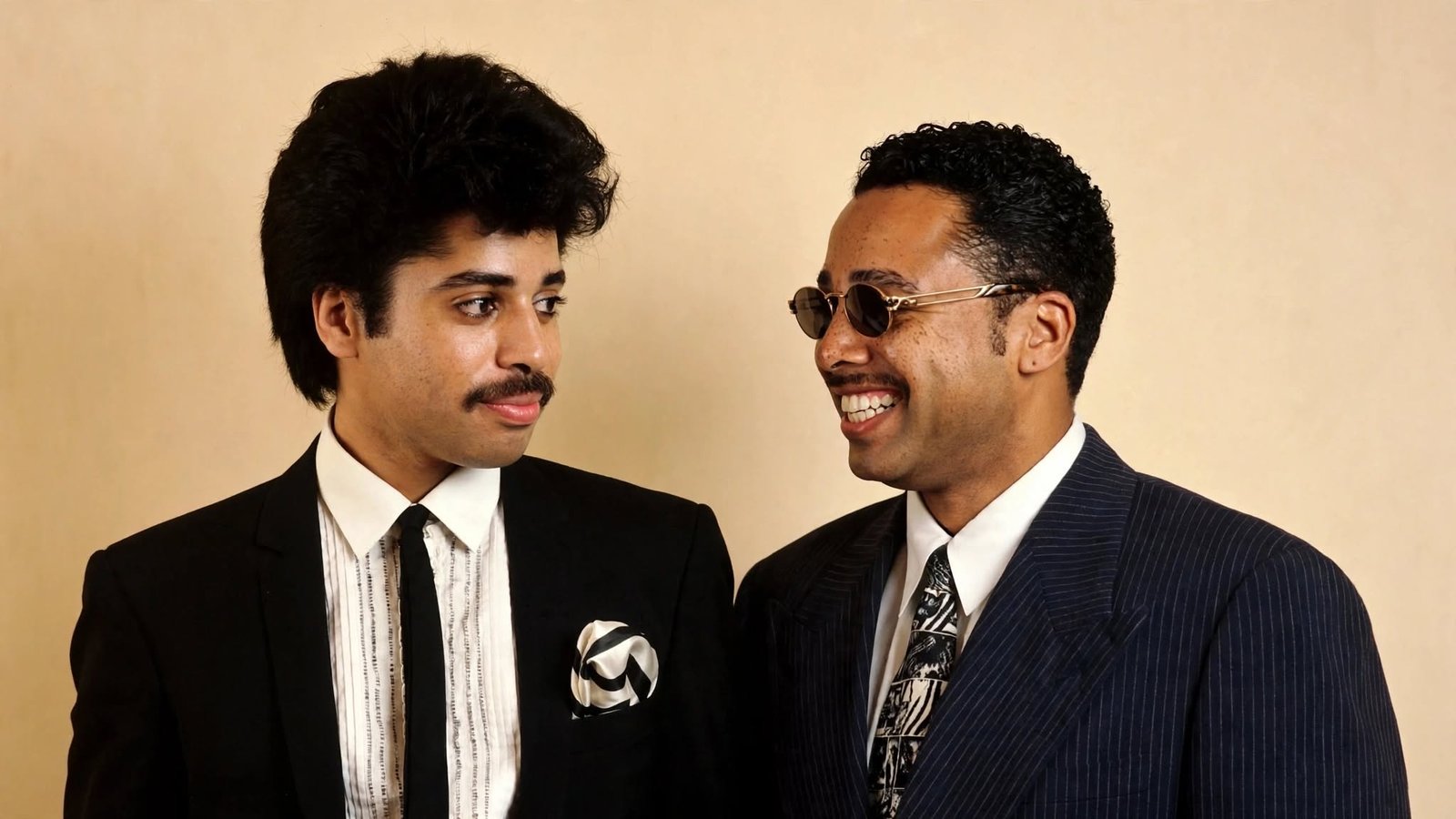
Morris Day is an American singer, songwriter, actor, and entertainer best known as the charismatic frontman of The Time, the Minneapolis funk group closely associated with Prince. With his flamboyant fashion, comedic stage presence, signature dance moves, and memorable performances, Day became one of the most distinctive personalities to emerge from the Minneapolis sound of the 1980s.
His career reached a major turning point when he appeared as the stylish rival to Prince in the 1984 film Purple Rain. The performance helped turn Day into a pop-culture figure and gave The Time’s music an international audience.
Beyond music and acting, Morris Day has maintained a public image built around fashion, luxury, entertainment, and showmanship. His career has included successful albums, film appearances, touring, reunions with The Time, and continued performances for audiences around the world.
Morris Day Early Life and Musical Beginnings
Morris Eugene Day was born in Springfield, Illinois, on December 13, 1957, and moved with his family to Minneapolis while he was young. It was in Minneapolis that he developed the friendships and musical connections that would eventually help shape his career.
One of the most important people in his early life was Prince Rogers Nelson. The two attended school together and became involved in music at a young age, eventually performing together in a group that was initially known as Grand Central.
Day initially played drums before developing into the charismatic singer and frontman for which he would become famous.
His early exposure to Minneapolis’s emerging music scene gave him an opportunity to develop a distinctive performance style that combined funk, R&B, humor, fashion, and theatrical personality.
Morris Day and The Time
The Time became the defining musical project of Morris Day’s early career. Prince helped develop the group as a funk-oriented counterpart to his own artistic identity, and Day became its flamboyant lead singer.
The group released its self-titled debut album in 1981, introducing songs such as “Get It Up,” “Cool,” and “Girl.” Its combination of funk rhythms, energetic performances, and humorous lyrics quickly distinguished it from many contemporary R&B groups.
The Time followed with What Time Is It? in 1982, featuring songs such as “777-9311,” “Wild and Loose,” “The Walk,” and “Gigolos Get Lonely Too.” The band’s growing success established Day as one of the most entertaining frontmen in funk music.
Breakthrough With Purple Rain
Morris Day’s biggest cultural breakthrough came in 1984 when he appeared in Prince’s Purple Rain. He played an exaggerated version of his stage persona, serving as the charismatic leader of The Time and a rival to Prince’s character in the movie.
Day’s performance became one of the film’s most memorable elements. His elaborate clothes, confident attitude, comic timing, and famous interactions with Jerome Benton helped create a character that audiences immediately remembered.
Purple Rain became a major commercial success and introduced Day to audiences who may not previously have known The Time.
The movie also helped turn his fashion and personality into an important part of his public identity.
Morris Day’s Solo Music Career
After his work with The Time, Day developed a successful solo career. His first solo album, The Color of Success, was released in 1985 and demonstrated that he could continue attracting attention outside the group.
The album performed strongly, selling more than 900,000 copies according to a contemporary Los Angeles Times profile.
Day followed it with Daydreaming in 1987 and Guaranteed in 1992. His solo work continued to blend funk, R&B, humor, dance, and the sophisticated image that had become synonymous with his name.
One of his best-known solo songs was “Fishnet,” which reached No. 1 on Billboard’s R&B chart in 1987.
Morris Day’s Acting Career
Although music remained his primary profession, Morris Day also developed a career in acting.
His appearance in Purple Rain remains his most famous screen role, but he later appeared in movies including The Adventures of Ford Fairlane and Jay and Silent Bob Strike Back.
His acting style often drew on the same exaggerated confidence and comedic personality that defined his musical performances.
Rather than completely separating his acting and music identities, Day used his established persona as an entertainment brand that could work across stage, film, television, and live appearances.
Morris Day and Prince
The relationship between Morris Day and Prince was one of the most important creative partnerships in the Minneapolis music scene.
The two knew each other from their youth and collaborated at different points throughout their careers. Prince helped establish The Time, while Day’s distinctive personality became an important part of the group’s identity.
Their relationship was not always smooth, however. Creative and financial disagreements contributed to periods of tension, particularly during the years surrounding Purple Rain.
Despite those conflicts, Day continued to speak positively about Prince’s musical talent and their long history together. In a later interview, Day described his relationship with Prince with considerable affection despite their complicated history.
Morris Day’s Wife and Family
Morris Day has been married more than once. His first marriage was to Judith “Judy” Jones, a singer who had worked as a backup vocalist for Lou Rawls.
The couple married in Las Vegas in 1986, according to a contemporary UPI report.
Their marriage later ended in divorce. Public biographical records identify three children from that relationship.
Day later married Lorena Day, and public biographical sources identify her as his current wife. Because the couple generally maintains a degree of privacy regarding their personal life, detailed information about their relationship is limited.
Family has remained an important part of Day’s life, even as his career has kept him involved in music and entertainment for decades.
Morris Day Salary and Earnings
There is no reliably documented public figure for Morris Day’s current annual salary.
Unlike professional athletes or corporate executives whose compensation can sometimes be publicly disclosed, musicians generally earn money through several different sources, including recording royalties, songwriting, touring, performances, licensing, merchandise, acting, and appearances.
Day’s earnings have therefore varied considerably throughout his career.
His commercial success with The Time, solo recordings, acting work, touring, and later performances have all contributed to his overall financial position.
A notable example of his early entertainment earnings came from Purple Rain. In a 2019 interview with Forbes, Day said he was paid $50,000 for his role in the film but explained that he had expenses associated with paying his band, leaving him with considerably less from the project. He also said he continued receiving film royalties, although he described them as relatively modest.
Morris Day Net Worth
Estimates of Morris Day’s net worth vary substantially across celebrity-finance websites, and there is no publicly audited statement that establishes his exact wealth.
For that reason, claims about his net worth should be regarded as estimates rather than confirmed financial information.
His long career provides several potential sources of income, including music royalties, touring, live performances, acting, licensing, and entertainment appearances.
The longevity of The Time’s music is particularly important because classic recordings can continue generating revenue through streaming, licensing, radio play, and other uses decades after their original release.
Morris Day’s Cars and Automobile Lifestyle
Cars have been part of Morris Day’s larger luxury image, particularly during the height of his fame in the 1980s and 1990s.
His public persona was built around flamboyance, sophistication, and visual presentation, and automobiles naturally became part of that image.
A 1992 Washington Post profile famously described Day arriving in a white stretch limousine while wearing an elaborate outfit, highlighting the extravagant presentation associated with his public persona.
However, there is limited reliable documentation of his complete current car collection. Online sources sometimes attribute specific luxury vehicles to celebrities without providing sufficient evidence of ownership.
Therefore, individual vehicle claims should be treated cautiously unless they are supported by direct interviews, photographs with clear context, or reputable reporting.
Morris Day’s Houses and Real Estate
Morris Day has also been associated with an upscale lifestyle and desirable homes, particularly during periods when his music and acting careers were at their commercial peaks.
A contemporary Los Angeles Times article reported that after leaving Minneapolis, Day moved to Los Angeles with his mother and was living in the Beverly Hills area.
Later reporting also connected him with Southern California and described a lifestyle that included high-end fashion and luxury surroundings.
However, exact information about his current homes, property values, and real-estate portfolio is not comprehensively available through authoritative public sources.
As with cars, property values and ownership can change over time, so older reports should not automatically be interpreted as evidence of his current assets.
Morris Day’s Fashion and Luxury Image
Fashion has always been one of the defining elements of Morris Day’s public identity.
Inspired partly by photographs of his grandfather wearing zoot suits, Day developed a highly recognizable fashion style involving colorful suits, silk, distinctive accessories, sunglasses, and carefully styled hair.
His appearance was not simply a personal preference; it became part of his entertainment persona.
The combination of music, comedy, fashion, dance, and theatrical confidence helped create a character that was instantly recognizable even outside the R&B audience.
The Return of The Time
The Time went through multiple periods of separation and reunion, but Morris Day continued to be strongly associated with the group.
In later years, he reunited with members of the classic lineup and continued performing the band’s best-known songs for audiences who grew up with its music.
The group has remained especially popular among fans of classic funk and Minneapolis sound.
Songs such as “Jungle Love,” “The Bird,” “The Walk,” and “Jerk Out” continue to be closely associated with Day’s career and have helped preserve his musical legacy for new generations.
Later Career and Legacy
Morris Day has remained an influential figure in funk and R&B because his career was about more than simply recording successful songs.
He created a recognizable character that combined music, comedy, fashion, dance, and theatrical performance.
His official biography describes him as a legendary funk performer and highlights his continuing work with The Time and his long-running catalog of music.
His influence can also be seen in the way later performers have incorporated fashion and exaggerated stage personalities into R&B and funk performances.
Morris Day’s Impact on Popular Culture
Few artists from the Minneapolis music scene developed a persona as immediately recognizable as Morris Day.
His role in Purple Rain introduced his personality to a much wider audience, while his work with The Time helped establish funk as a major part of the Minneapolis sound.
His rivalry with Prince in the film became one of the most memorable musical confrontations in 1980s pop culture.
Even decades later, references to “The Bird,” “Jungle Love,” the mirror routine, and Day’s flamboyant wardrobe remain familiar elements of American popular culture.
Conclusion
Morris Day has built a remarkable career as a singer, songwriter, actor, entertainer, and cultural personality.
From his early friendship with Prince and his work with The Time to his breakthrough in Purple Rain and his successful solo career, Day established a distinctive identity that combined music with comedy, fashion, and theatrical performance.
His wife and family life have attracted public interest, while his cars, homes, clothing, and luxury-oriented image have reinforced the flamboyant persona that audiences have associated with him for decades.
Although exact figures for his current salary, net worth, cars, and houses are not publicly verified, his long career across music, film, touring, and entertainment has given him a lasting place in American funk and R&B history.
Today, Morris Day remains best remembered as the unforgettable frontman of The Time and one of the most stylish and entertaining personalities to emerge from the Minneapolis music scene.
